

The krill issue
An industrial fishery outpacing its safeguards in a rapidly changing Southern Ocean
What are Antarctic krill?
Antarctic krill are small, critically important shrimp-like crustaceans found only in the Southern Ocean surrounding Antarctica.
-
Krill feed primarily on microscopic algae and phytoplankton. During winter, they rely on sea ice for shelter and grazing habitat, feeding on algae that grow beneath the ice.
-
Krill can live for 5 to 10 years. Female krill lay as many as 10,000 eggs at a time, spawning two or three times each year. The laid eggs will sink hundreds of meters deep. When larvae hatch, they must swim up to the surface before winter to feed on algae and grow.
-
Because they depend on sea ice during critical stages of their life cycle, krill are highly vulnerable to climate change and environmental impacts including warmer ocean temperatures and ocean acidification.
Why krill matter
Krill are often called a keystone species because so many other animals depend on them. Nearly every major Antarctic predator relies on krill directly or indirectly.
The foundation of the food web
Without abundant krill, the Southern Ocean ecosystem begins to unravel. Whales, penguins, seals, seabirds, and many fish species consume krill as a primary food source. Even species that do not feed on krill directly often depend on prey species that do.
Click to enlarge the image. Graphic courtesy of Pew Charitable Trusts
Antarctic wildlife depend on krill
Whales
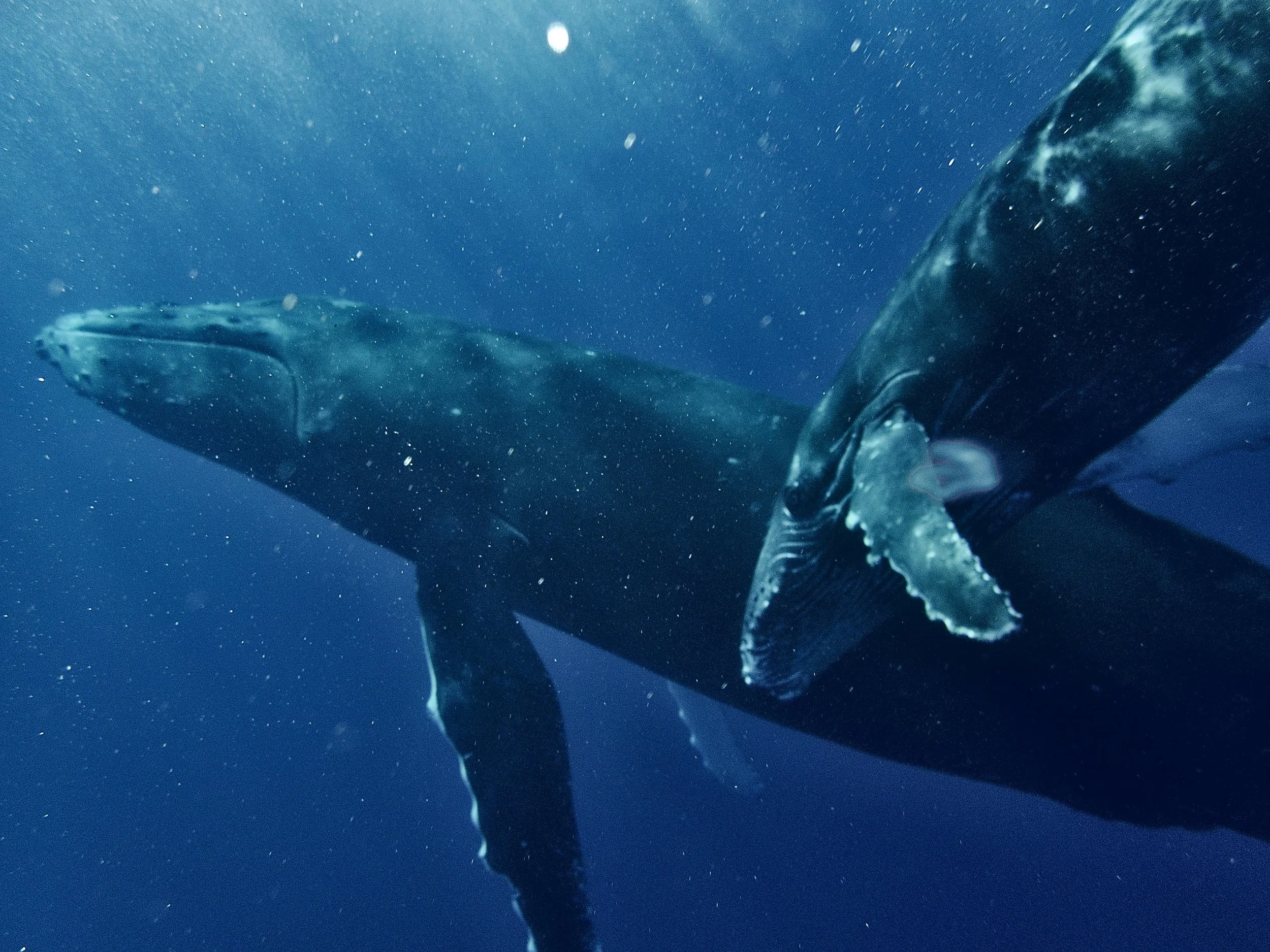
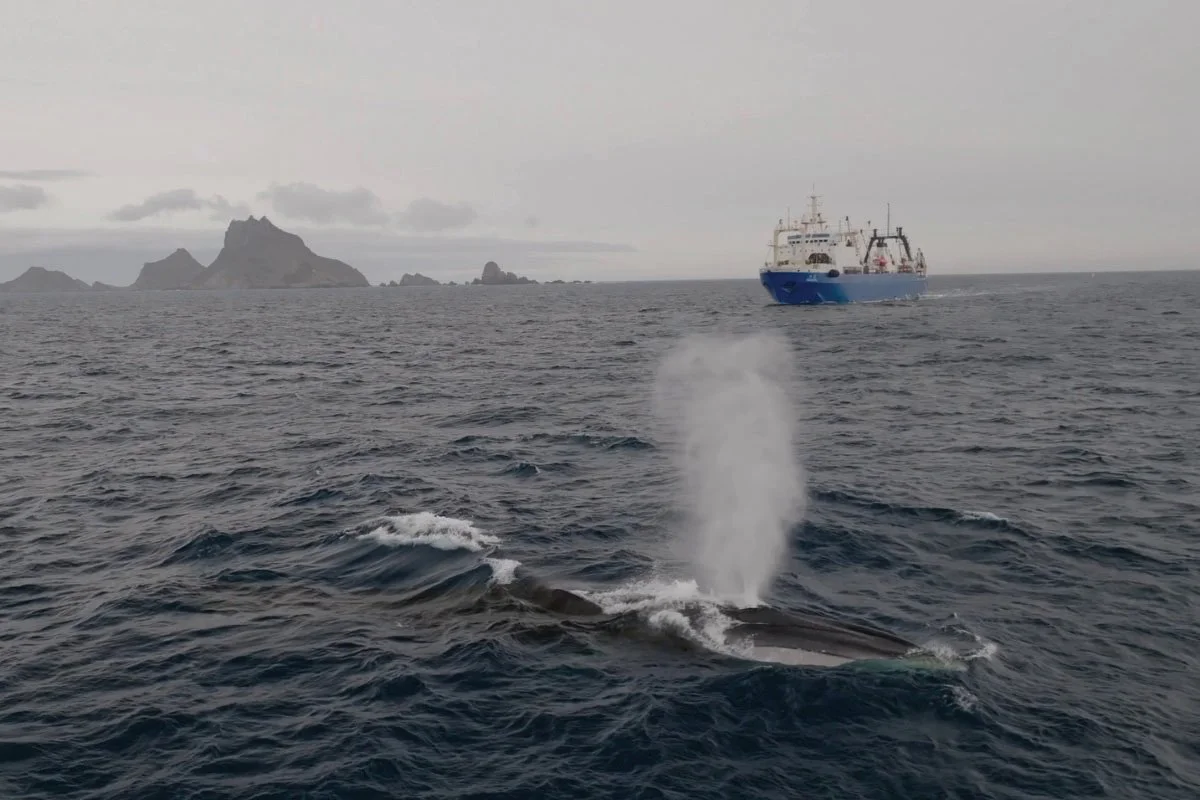
Recovering populations of humpback, fin, minke, and blue whales rely heavily on dense krill swarms to meet their enormous energy needs.
Penguins
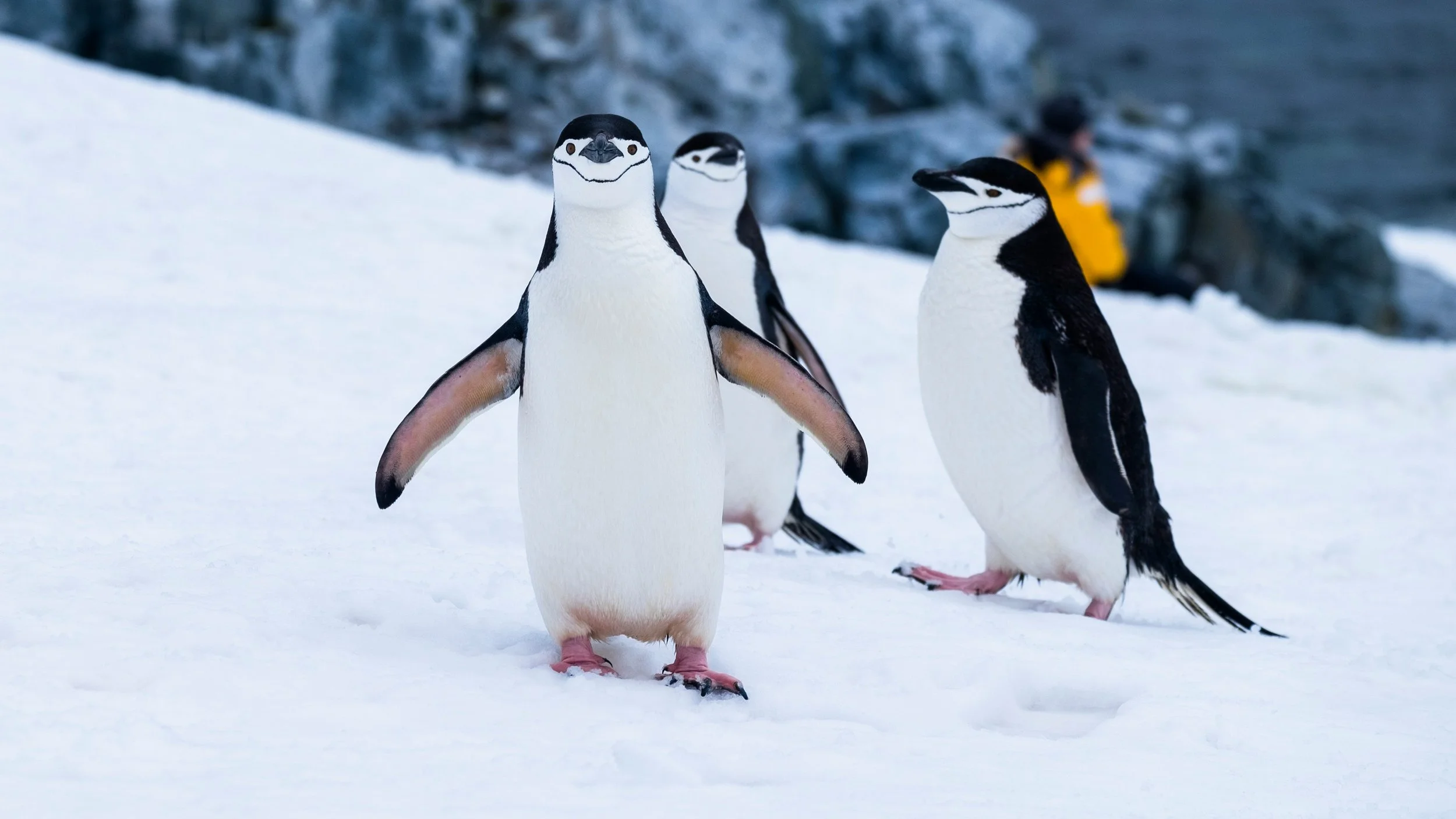
Adélie, chinstrap, and gentoo penguins depend on krill to feed themselves and their chicks during the breeding season.
Seals & Sea Lions
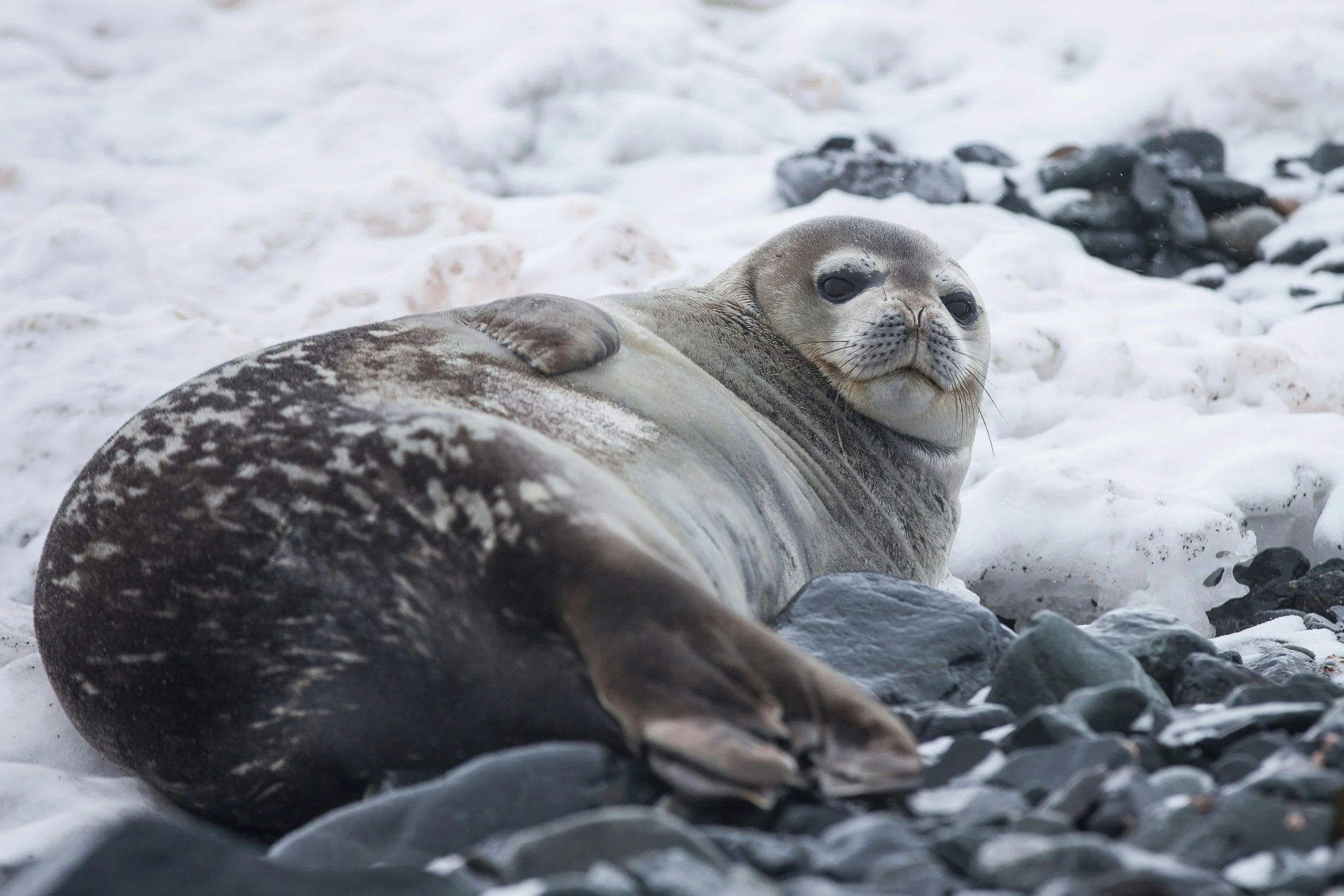
Antarctic fur seals and several other seal species rely heavily on krill-rich feeding grounds.
Seabirds & fish
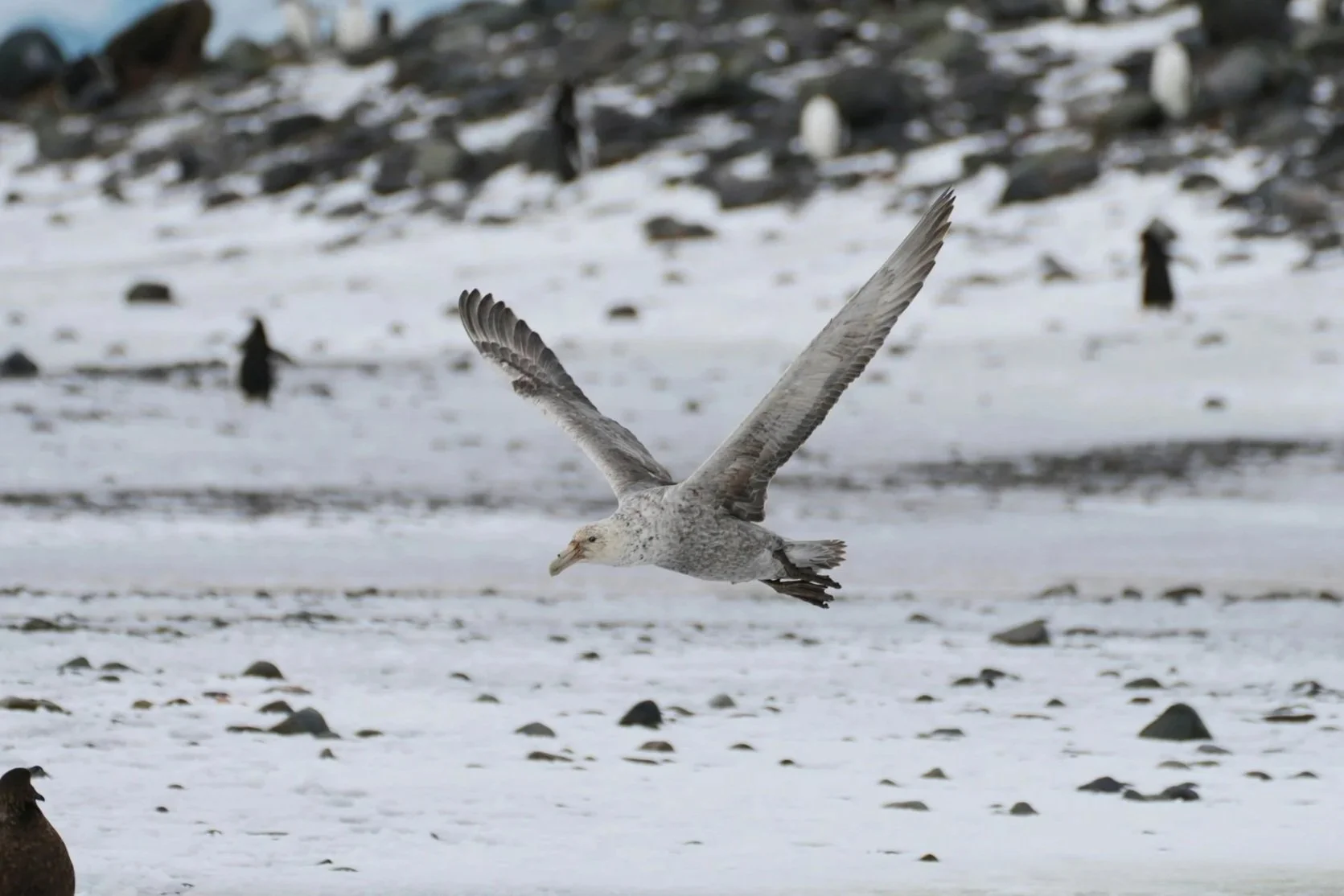
Many seabirds and fish species, such as albatross and silverfish, remain dependent on healthy krill populations.
More than just food
Krill contribute to carbon sequestration on a scale comparable to some of the world's most important coastal blue-carbon ecosystems.
Krill store carbon in their bodies and fecal pellets. As their fecal pellets and carcasses drift to the seafloor, it sequesters a substantial amount of carbon- as much as a marsh or mangrove ecosystem.
What are krill used for?
Understanding why krill is being so heavily harvested and how to avoid unnecessary krill products is crucial to supporting Antarctic wildlife.
Industrial krill fishing
An industrial fishery in wildlife-rich waters
Localized fishing pressure and rapid environmental change increases risks to krill-dependent predators throughout the Antarctic Peninsula region.
-
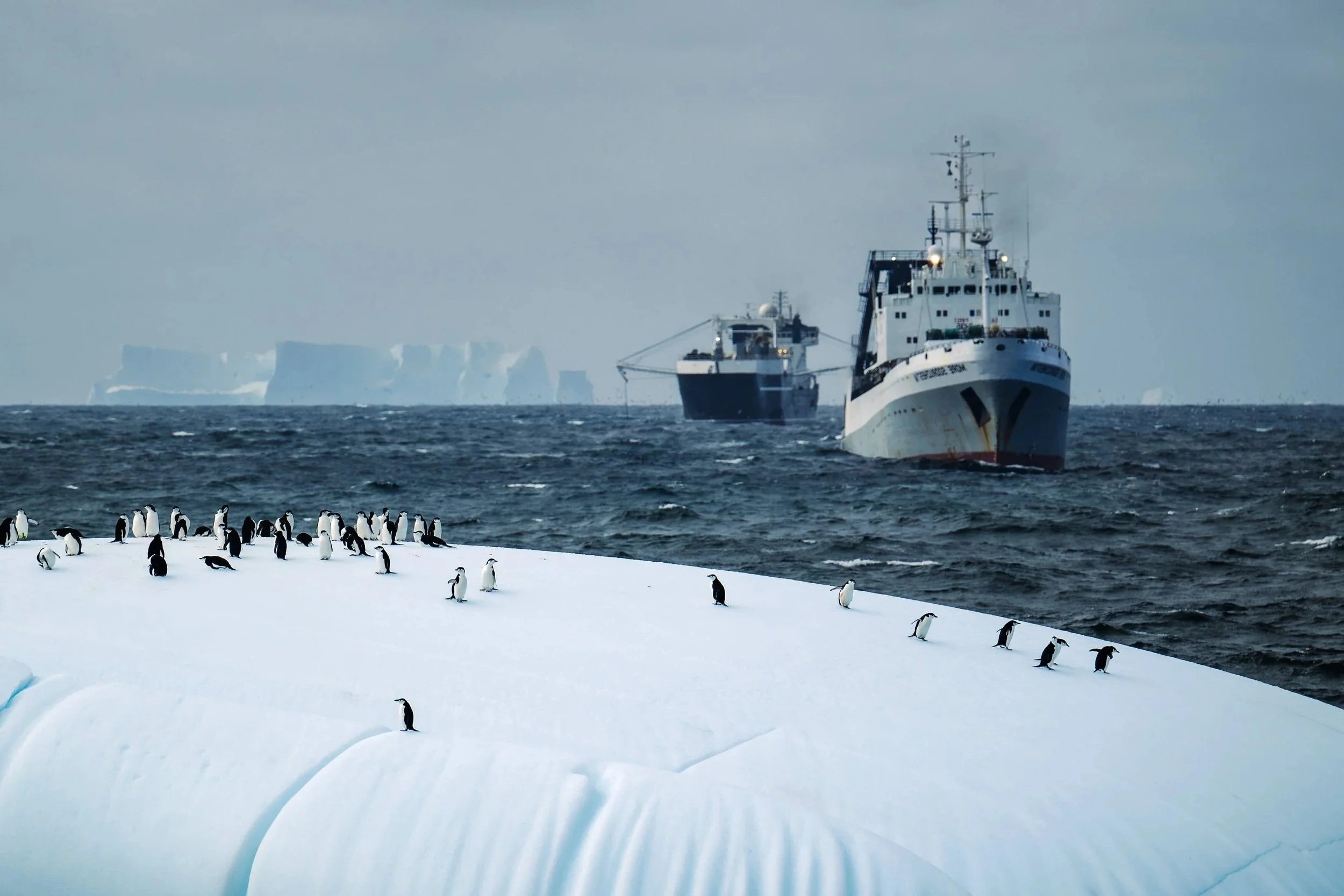
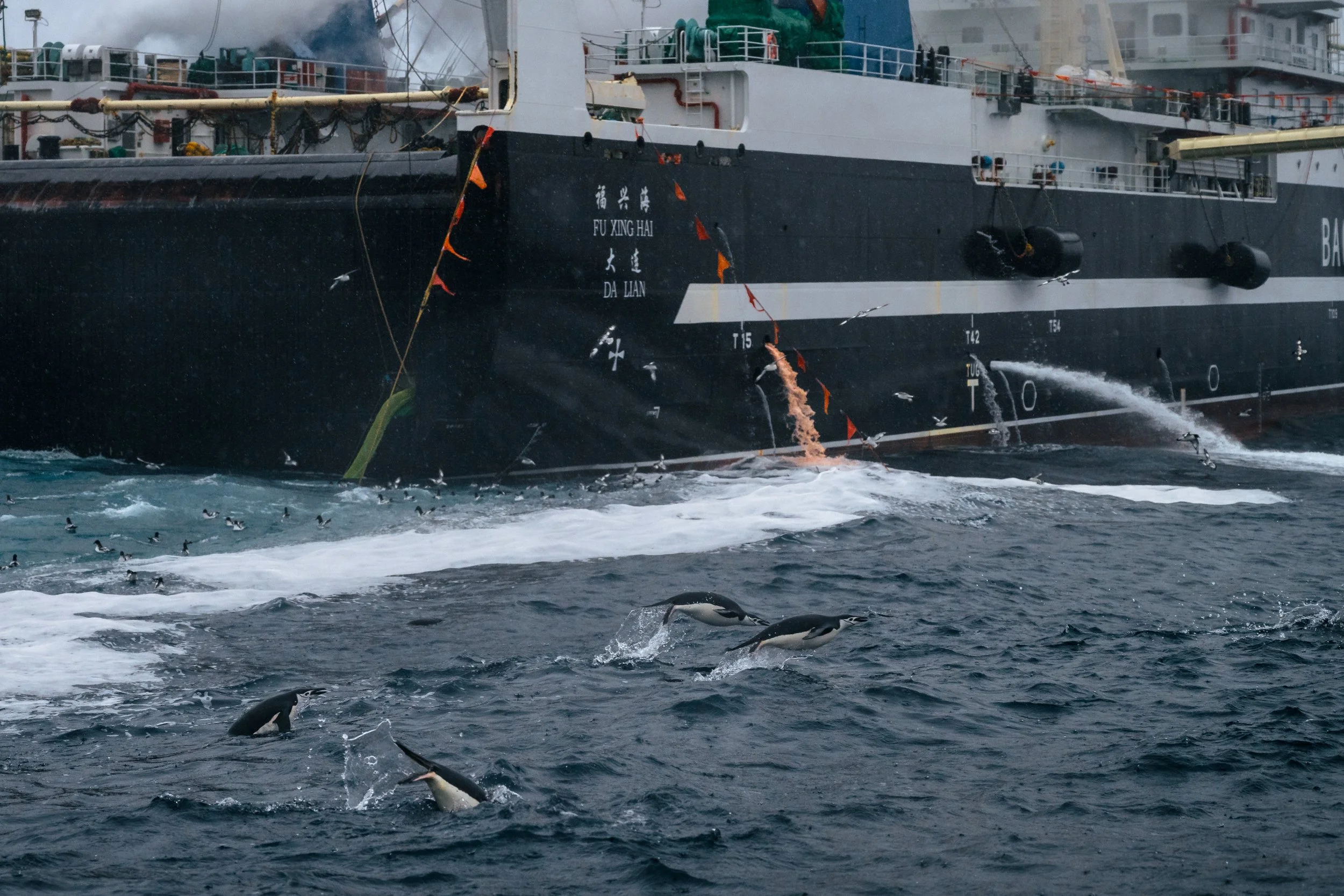
Commercial krill fishing is concentrated primarily around the Antarctic Peninsula and Scotia Sea, regions that also support some of the highest concentrations of Antarctic wildlife.
-
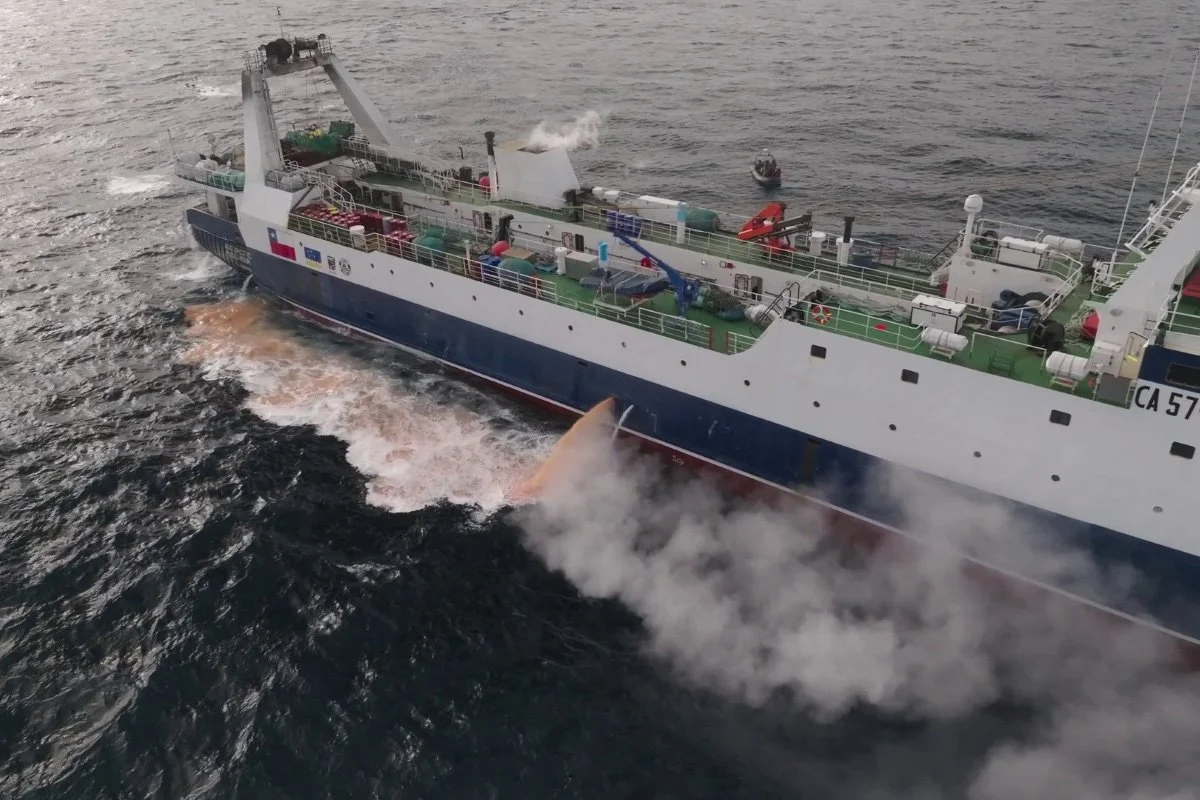
Modern factory vessels use continuous pumping systems that allow krill to be suctioned out of the water and processed onboard. Vessels are equipped with drone, submersible and sonar technologies to find swarms of krill even from afar. Krill products are then further processed in factories around the world.
-
As fishing effort has increased, scientists have raised concerns about concentrated harvesting in areas where whales, penguins, and seals depend on reliable access to food.
This phenomenon, known as localized depletion, occurs when fishing removes krill from areas heavily used by wildlife, even when overall harvest levels remain within broader catch limits.
Scientists are also concerned about the impact of any level of krill fishing due to compounding effects of rapid climate change. Bycatch and mortality of other species in the nets - including juvenile humpback whales, Antarctic fur seals, and chinstrap penguins- have also been recorded.
A fishery outpacing its safeguards
Research suggests that concentrated fishing pressure can affect wildlife populations even when total catches remain below overall precautionary limits.
Climate change and growing pressure
Scientists increasingly view climate change and industrial fishing as interconnected pressures acting on the same ecosystem.
Antarctic climate change
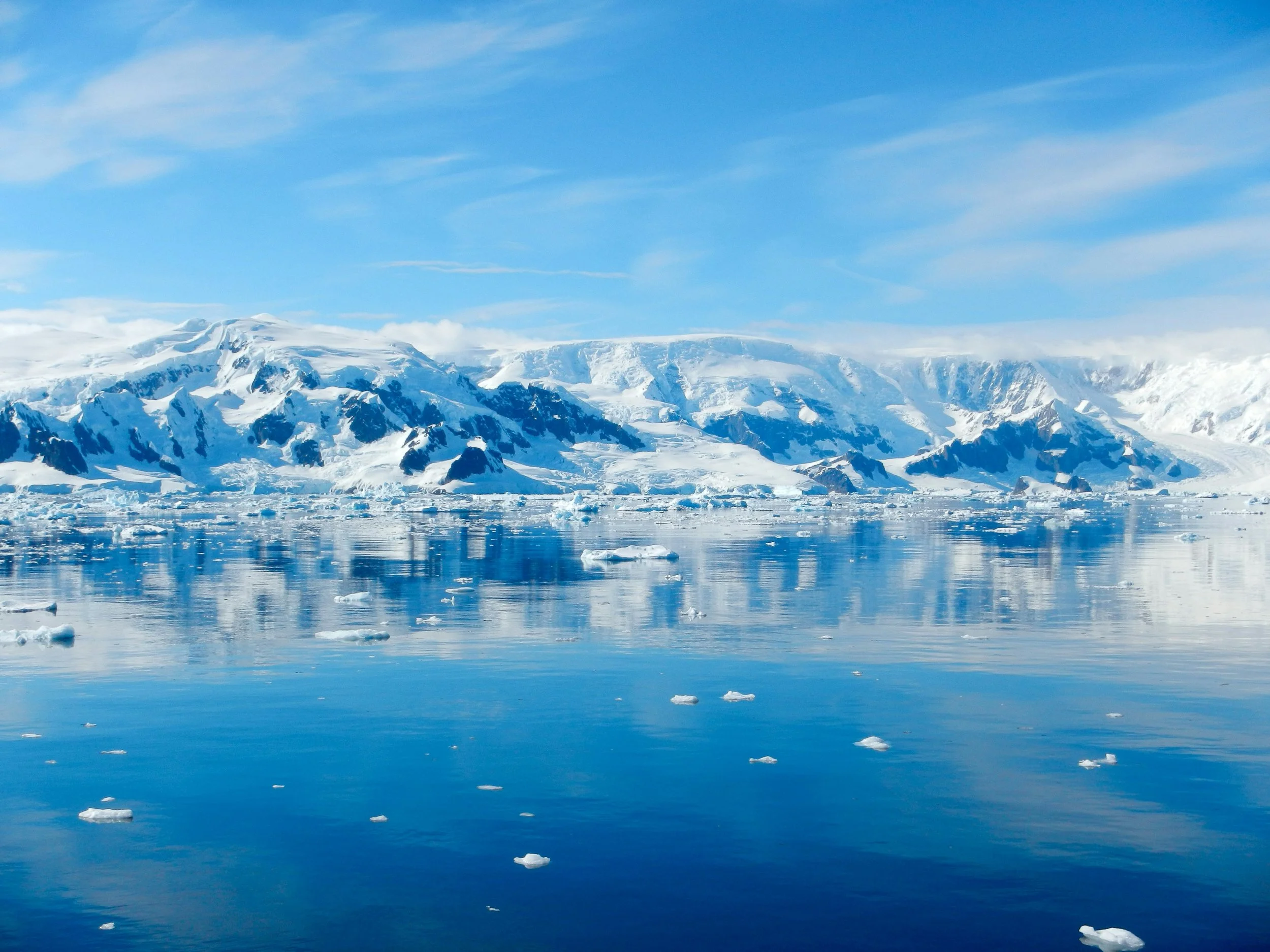
The Antarctic Peninsula is among the fastest-warming regions on Earth.
As sea ice declines and ocean conditions change, krill face increasing challenges throughout their life cycle. At the same time, many whale populations are recovering after decades of commercial whaling and require large quantities of krill to support their return.
Change is necessary
Protecting Antarctic wildlife will require stronger safeguards for the species at the center of the Southern Ocean food web.
Key priorities for safeguarding the Antarctic ecosystem
We believe focusing our efforts in these areas will drive the most positive impact for Antarctic wildlife.
1.
Halting industrial Antarctic krill fishing
2.
Establishing long-delayed Marine Protected Areas without increasing catch limits
3.
Protecting krill and predators throughout their life cycle
4.
Integrating climate change into management decisions
5.
Improving transparency and increasing public engagement in Antarctic issues
Support our mission
Preserving the Antarctic wilderness takes us all.